Why Sport Wins
A resort builds comfort.
Sport builds trust.
87% of team events leave no lasting impact after 30 days. The reason isn't the budget or the planning. It's the format. Here's why sport changes that.
01
Comfort doesn't build trust. Challenge does.
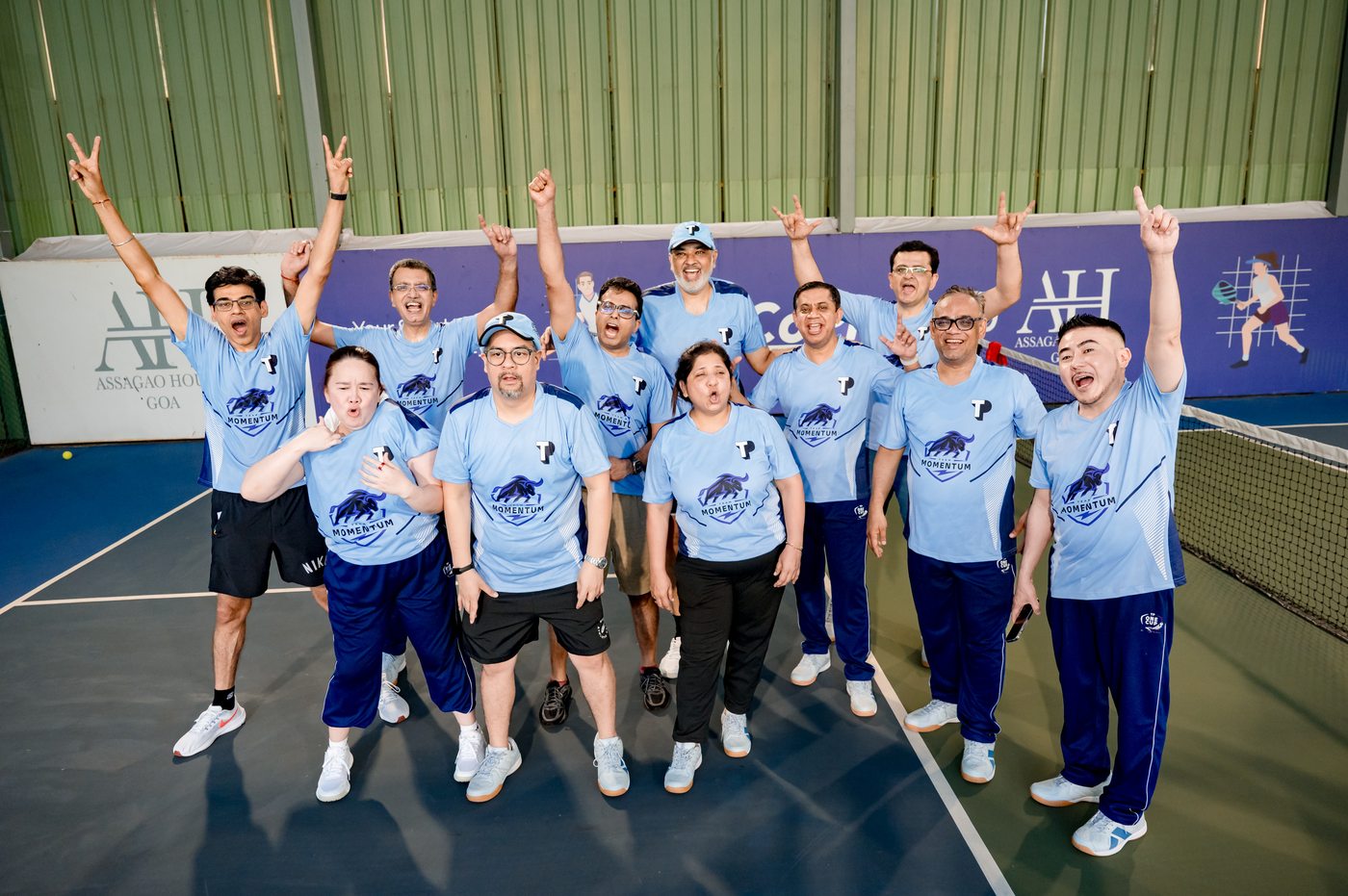
In a boardroom, you see who people want to be. On a sports field — when the score is against you, when you need someone to come through — you see who they actually are. That gap between performance and reality is what sport closes.
02
Physical competition releases the chemistry of bonding.
Exercise triggers oxytocin and dopamine — the neurochemicals of social bonding. This is not metaphor. Research shows synchronised physical activity builds trust significantly faster than shared meals or shared workshops. The trust your team feels after competing is biological, not performative.
03
Stakes create engagement. No stakes, no engagement.
A pool day has no stakes. A tournament with standings, a knockout bracket, personalised jerseys, and a live scoreboard has real stakes. When the result matters, people show up fully — not just physically but emotionally. That's the difference between participation and engagement.
04
Adversity bonds faster than pleasure.
People form stronger bonds through shared difficulty than shared comfort. 'Remember that dinner at the resort?' fades in a week. 'Remember when we were 3 wickets down and came back to win?' — that story gets told for years. Shared struggle creates identity in a way that shared pleasure never does.
05
Sport dissolves hierarchy without trying.
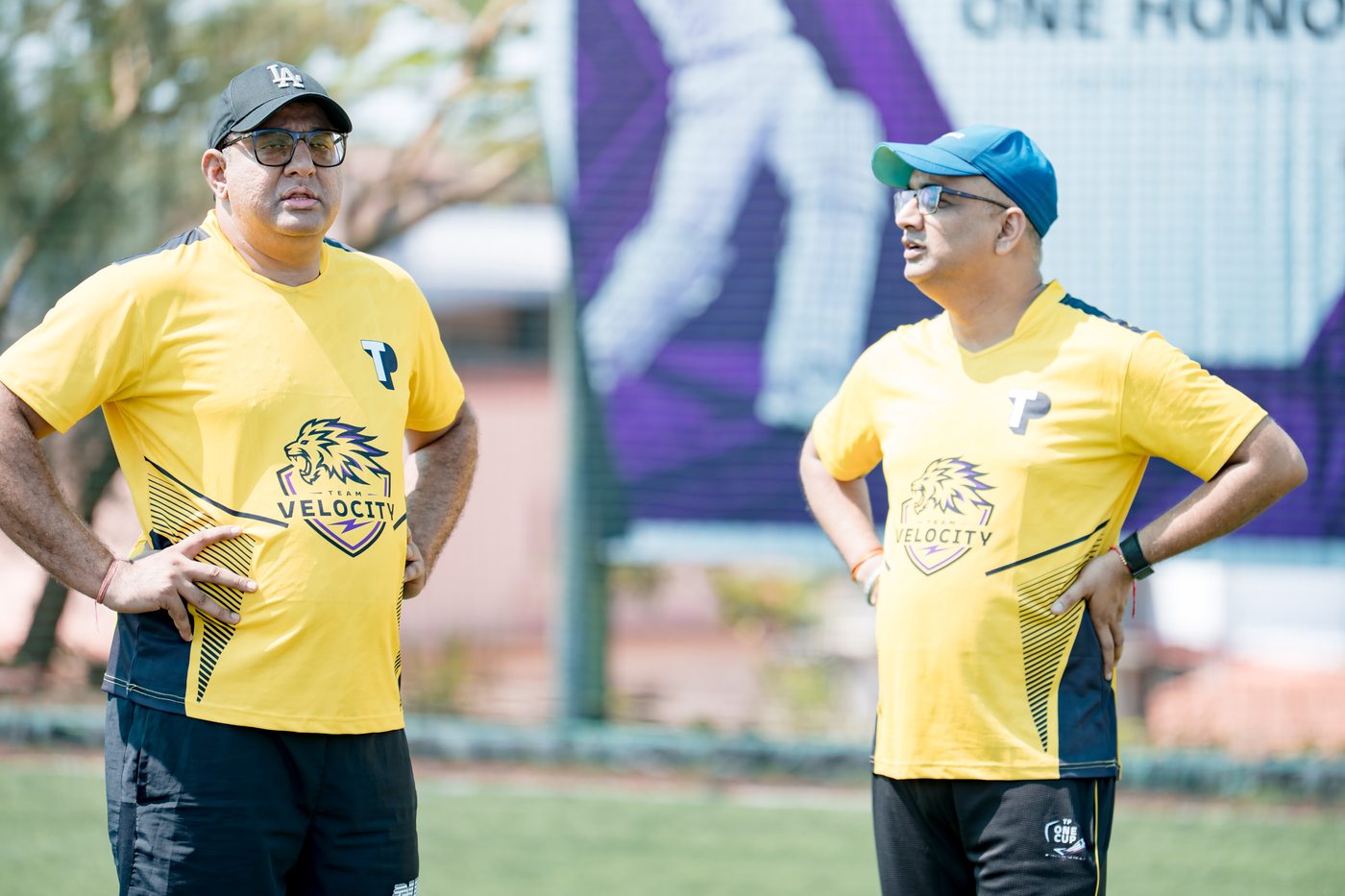
The COO has to trust the analyst's throw from the boundary. The CFO has to back the 28-year-old captain's tactical call. For the duration of the match, the org chart becomes irrelevant — and the experience of trusting someone outside your usual power dynamic carries back to the office.
06
Outcomes you can measure. Not just a receipt.
Post-event NPS (FORJ average: 78, industry: 34), 90-day attrition delta (-18% in participating teams), 6-month rebook intent (94%). A structured sports offsite produces data. A resort weekend produces a bill.
The Emotional Journey
What your team feels.
Hour by hour.
Morning
Scepticism → Curiosity
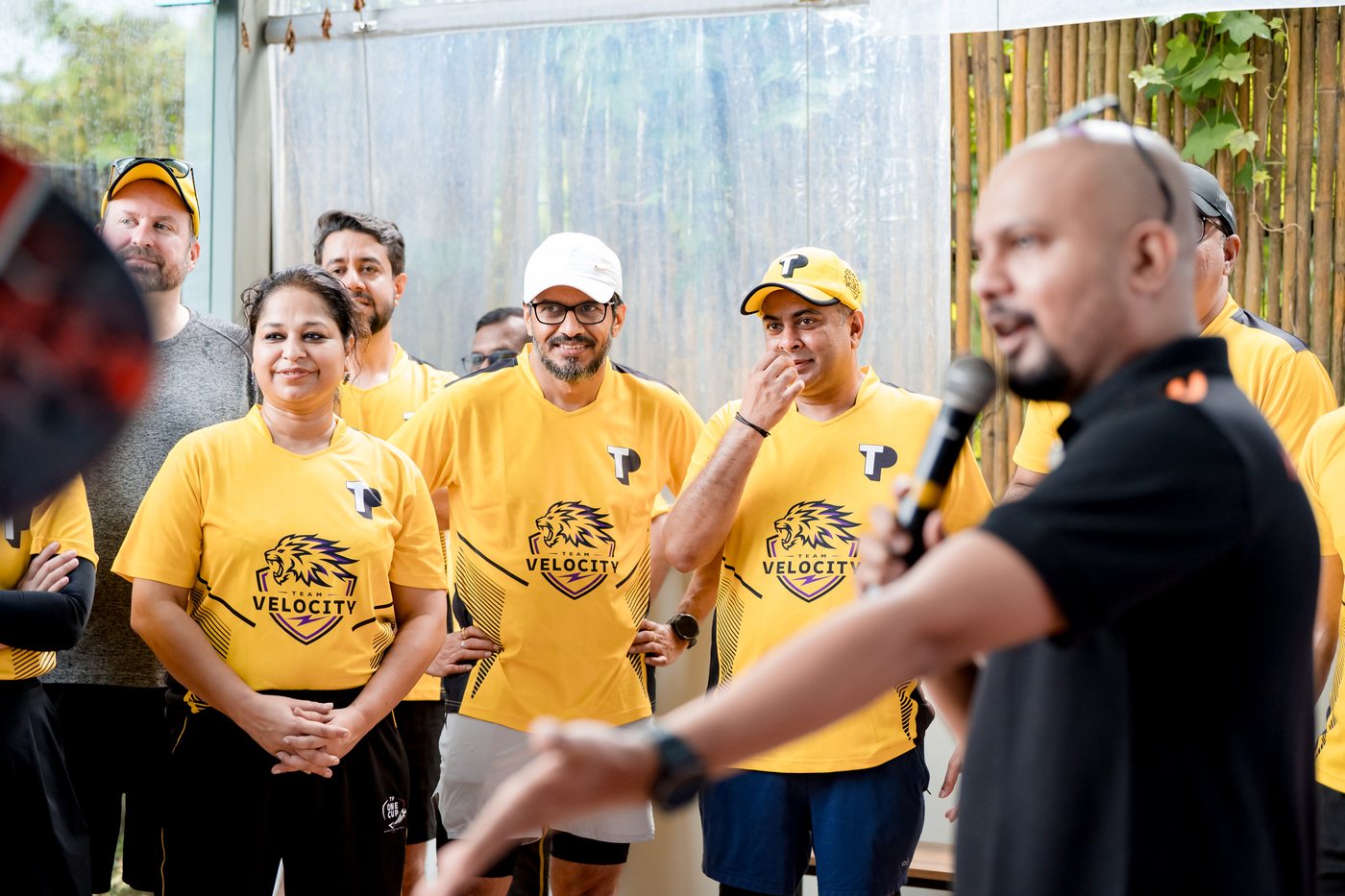
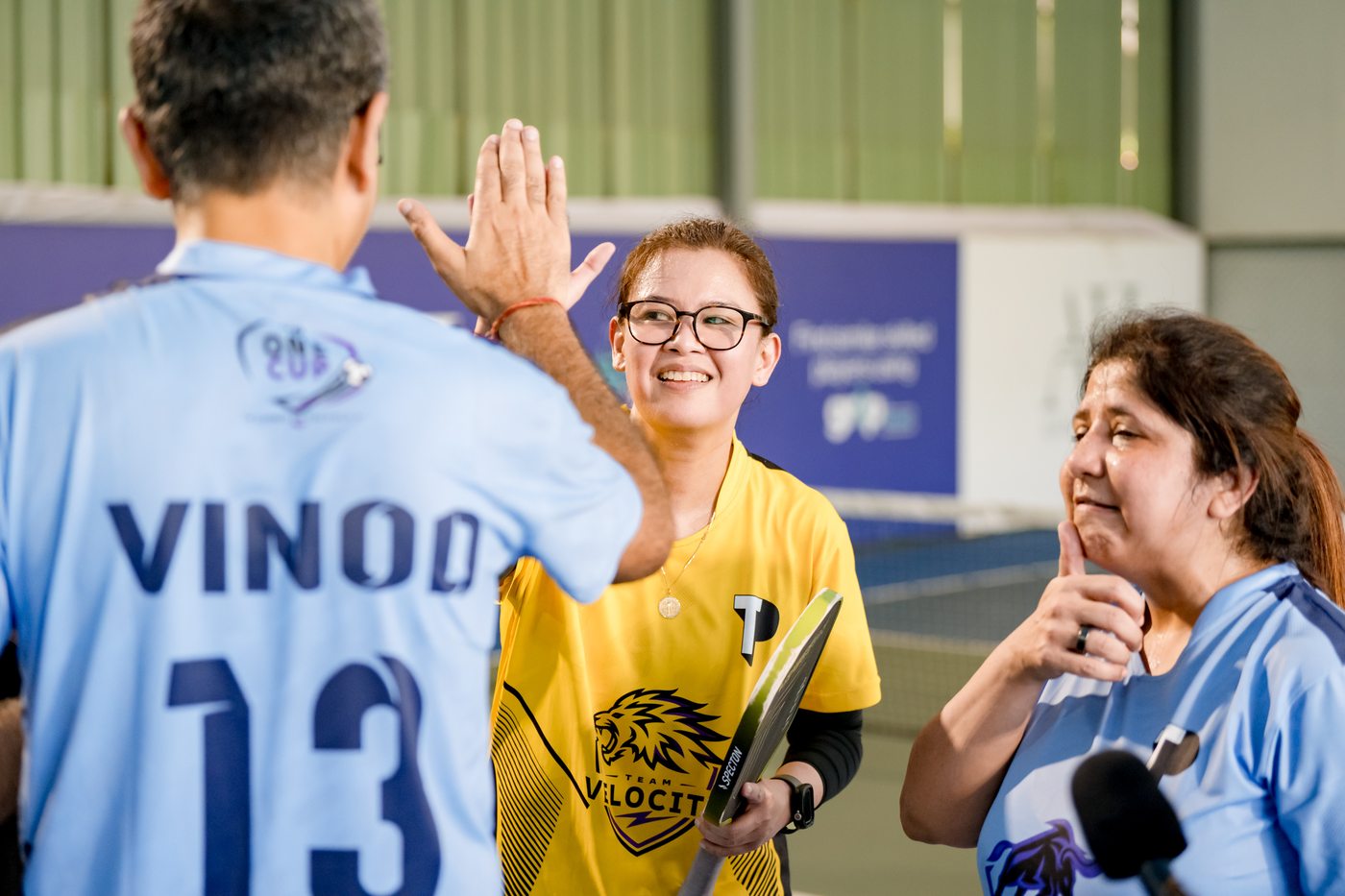
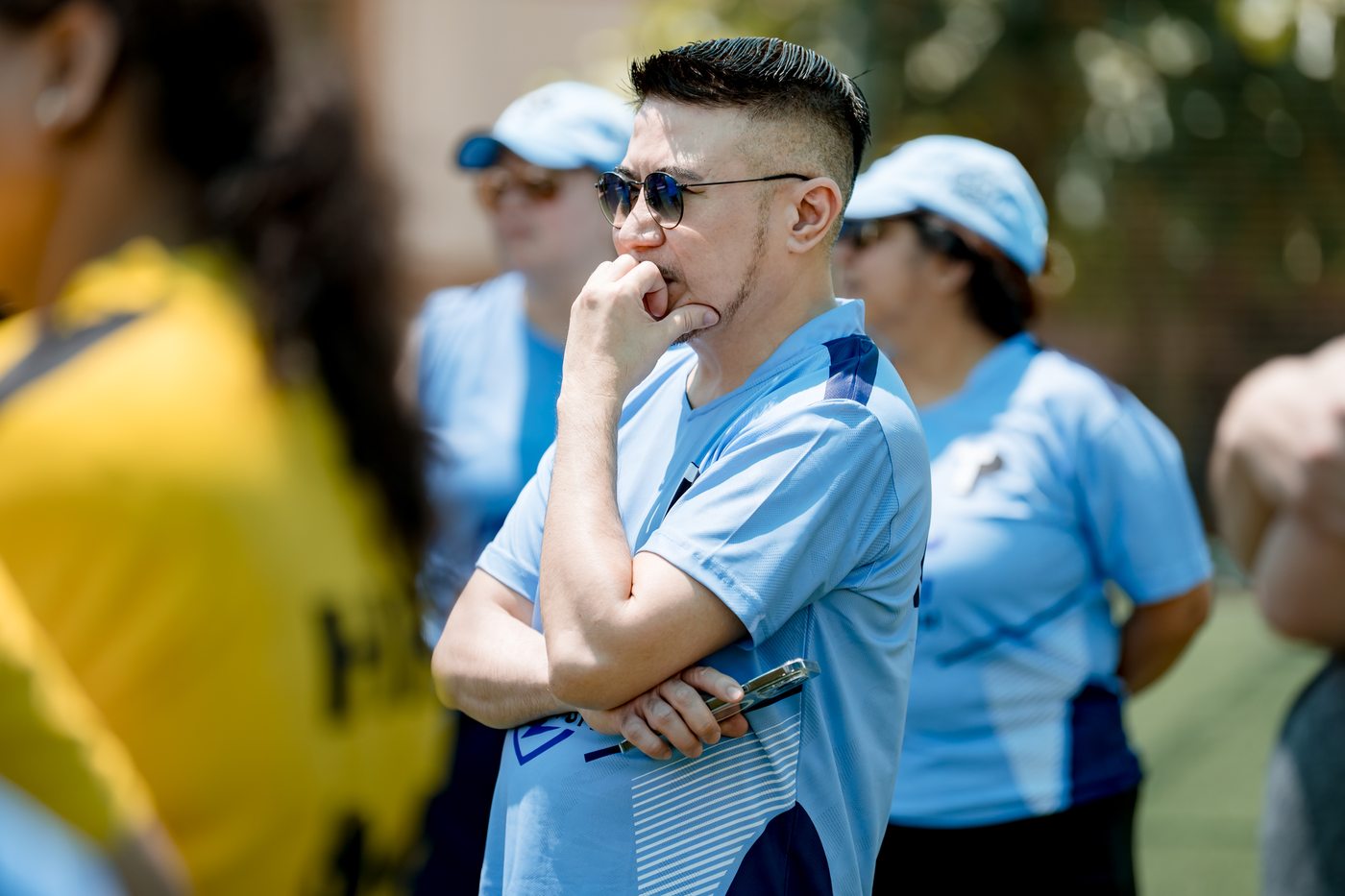
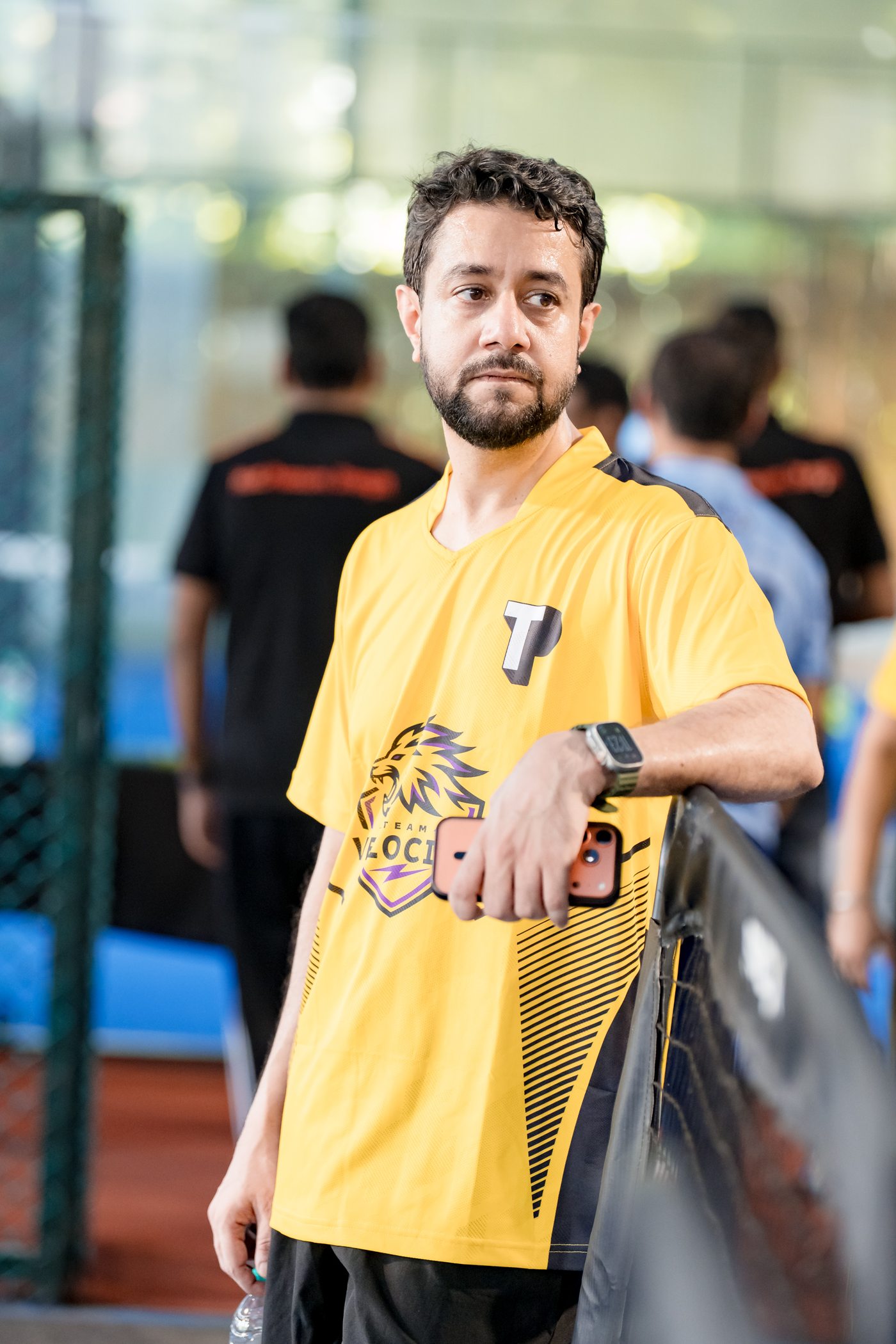
'Why am I in a jersey?' turns into 'Actually, this looks serious.' The personalised name-and-number kit signals this is real, not a picnic.
First Match
Nerves → Competitive Instinct
The first time a senior leader misses a shot in front of their team, something shifts. The mask of executive composure comes off. What replaces it is something more real.
Mid-Day
Rivalry → Respect
By the third sport, people are genuinely trying. Opponents congratulate each other. Colleagues discover they've never seen each other compete before — and the respect that comes from that is different from any meeting room respect.
Crucial Match
Pressure → Trust
When the game is close and the result matters, teammates rely on each other instinctively. The COO calls to the CFO for a throw. A junior player makes the call the captain follows. Hierarchy doesn't exist here.
Final Ceremony
Exhaustion → Pride
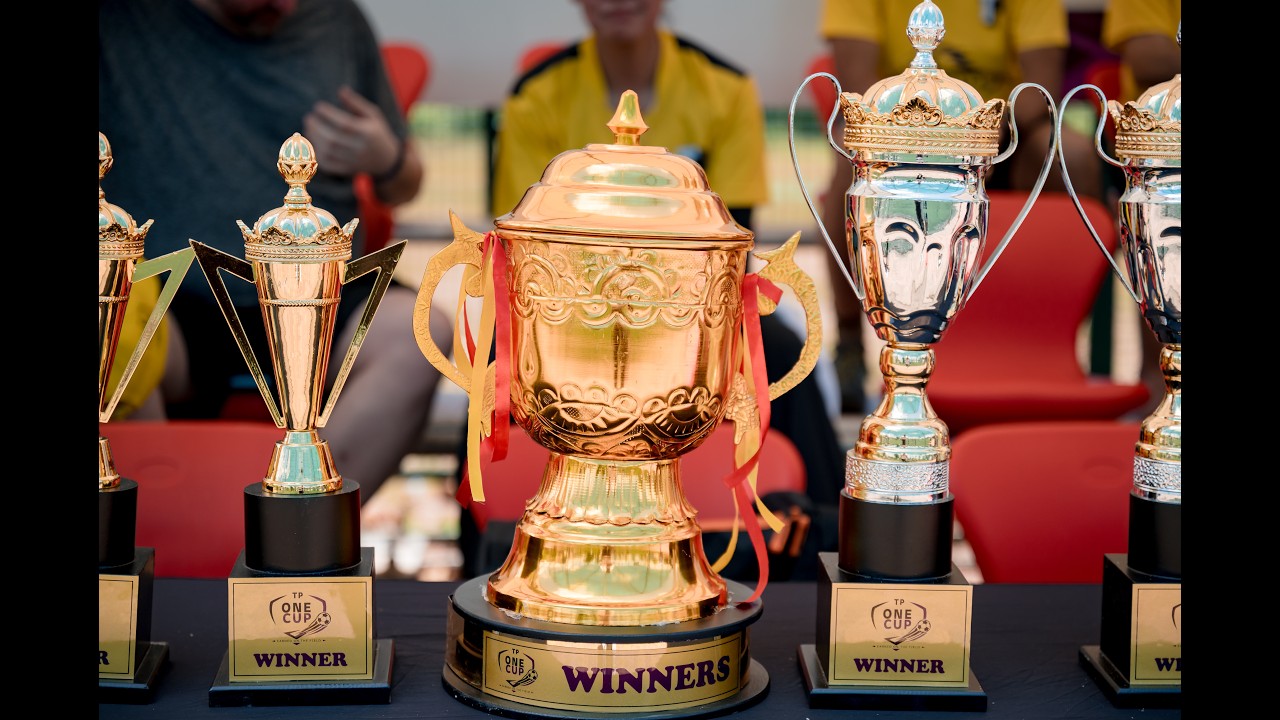
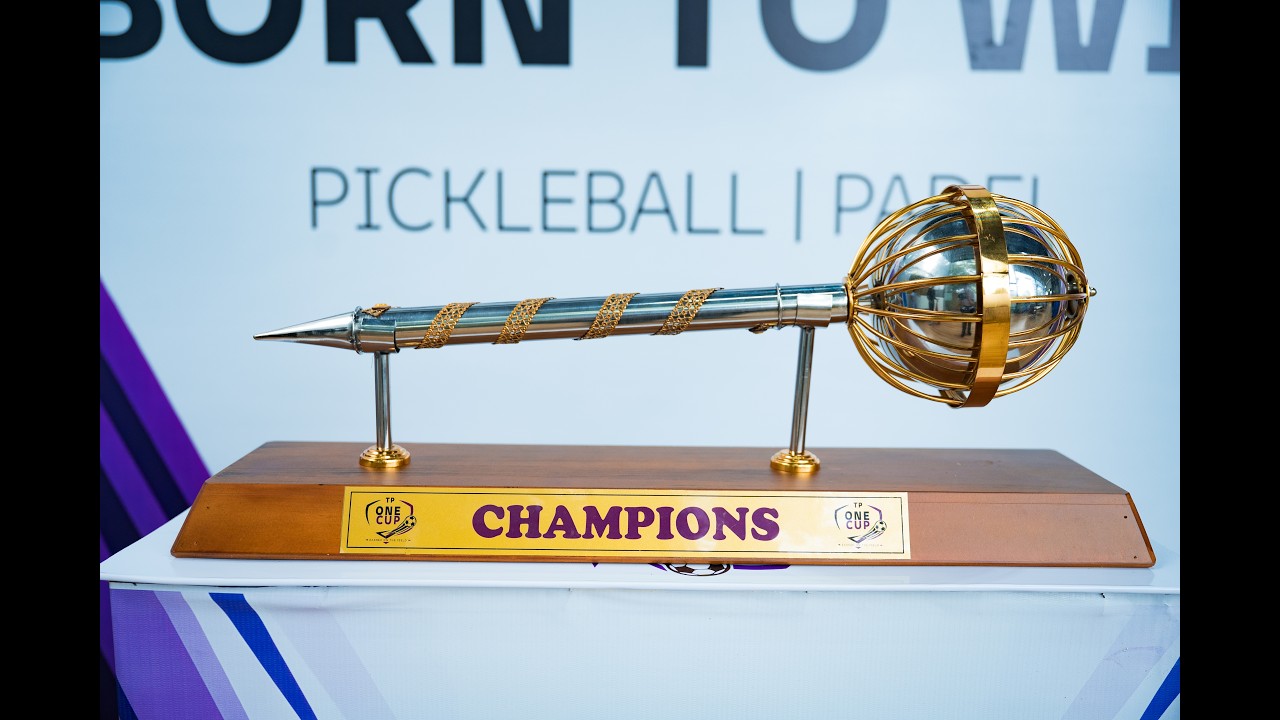
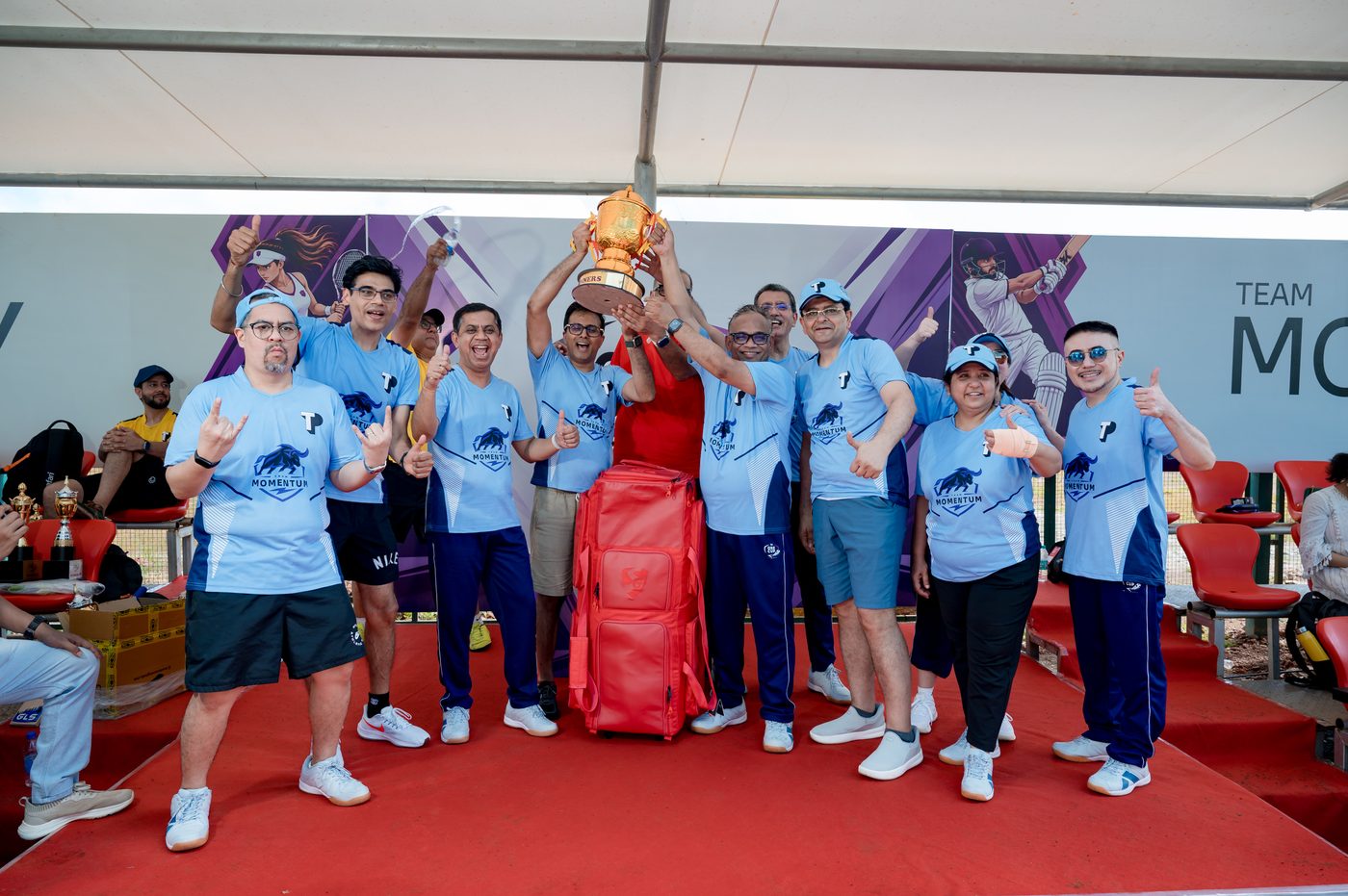
The trophy goes up. People who came in as colleagues leave as a team. Not because HR told them to. Because they earned it together on the field — and everyone knows it.
The Rules
Designed so no one dominates.
And everyone competes.
FORJ events aren't won by the best athletes — they're won by the best team. Every rule exists for a reason. Here's what each one does and why.
Women's Participation is Mandatory
Every sport in a FORJ offsite includes dedicated women's events — Women's Singles in Table Tennis, Pickleball, and Padel. Mixed Doubles events in every racket sport require one man and one woman per pair. This is structural, not optional.
The result: women compete as full participants, not as spectators or token participants. In the Teleperformance One Team Cup, Rachel (Momentum) won Women's Singles in both Table Tennis and Pickleball and was the #2 ranked player in the entire tournament by Impact Points — above every male participant except the MVP.
"Rachel won Women's Singles in both TT and Pickleball. She finished #2 in the overall MVP rankings — above every man except the tournament winner."
Pickleball or Padel — Not Both
Players may register for only one racket sport — Pickleball or Padel. They may not play both. This single restriction distributes sports participation across the roster and prevents one or two dominant racket players from accumulating all the medals.
It also forces captains to think. You have 11 players and two full racket sport programmes running. Every allocation decision matters. This is where team strategy — not individual ability — decides the leaderboard.
"You may register for only one racket sport — Padel or Pickleball, never both. Plan your squad knowing everyone's time and energy across the day is genuinely finite."
The Challenge Over Rule
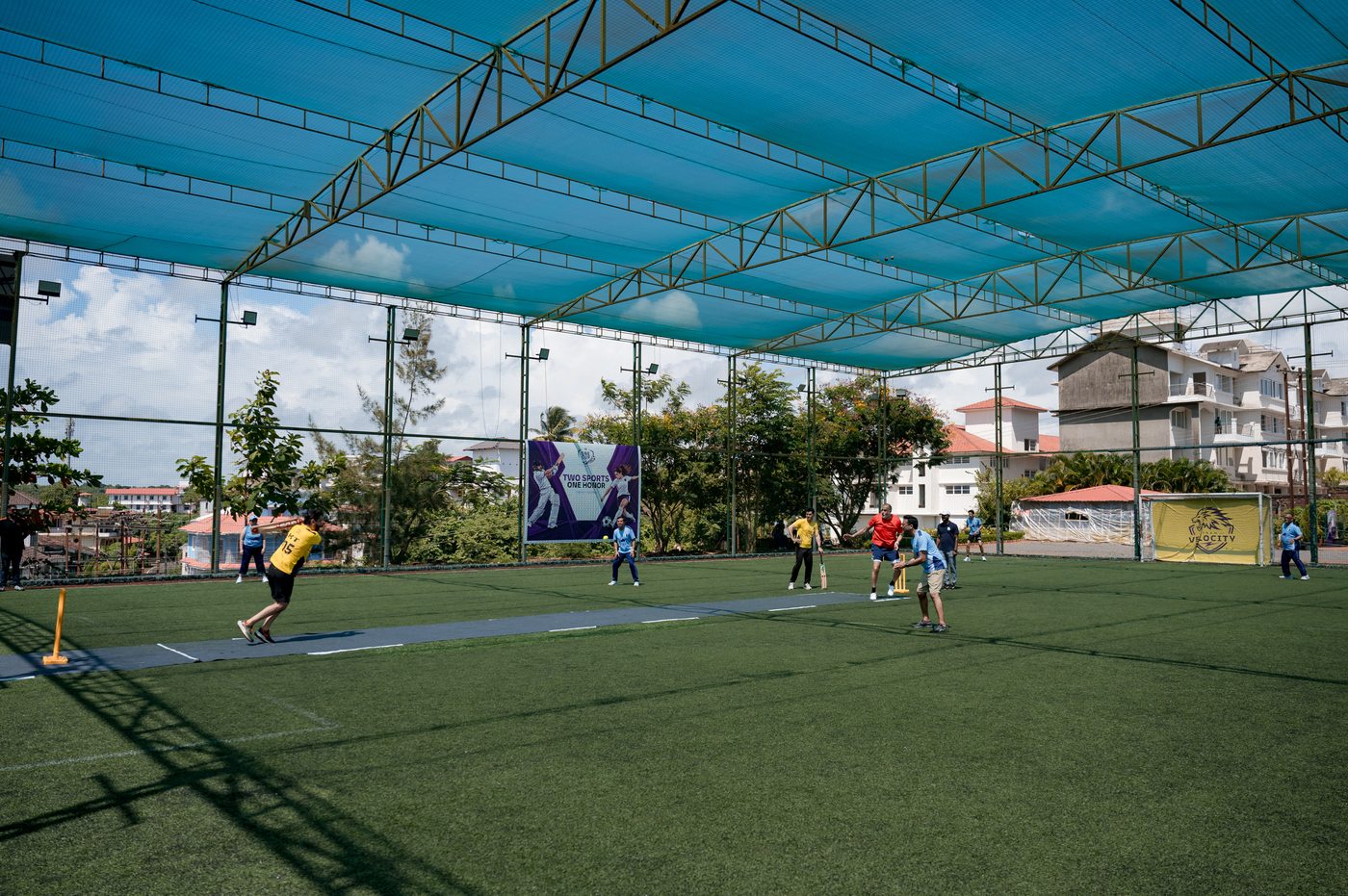
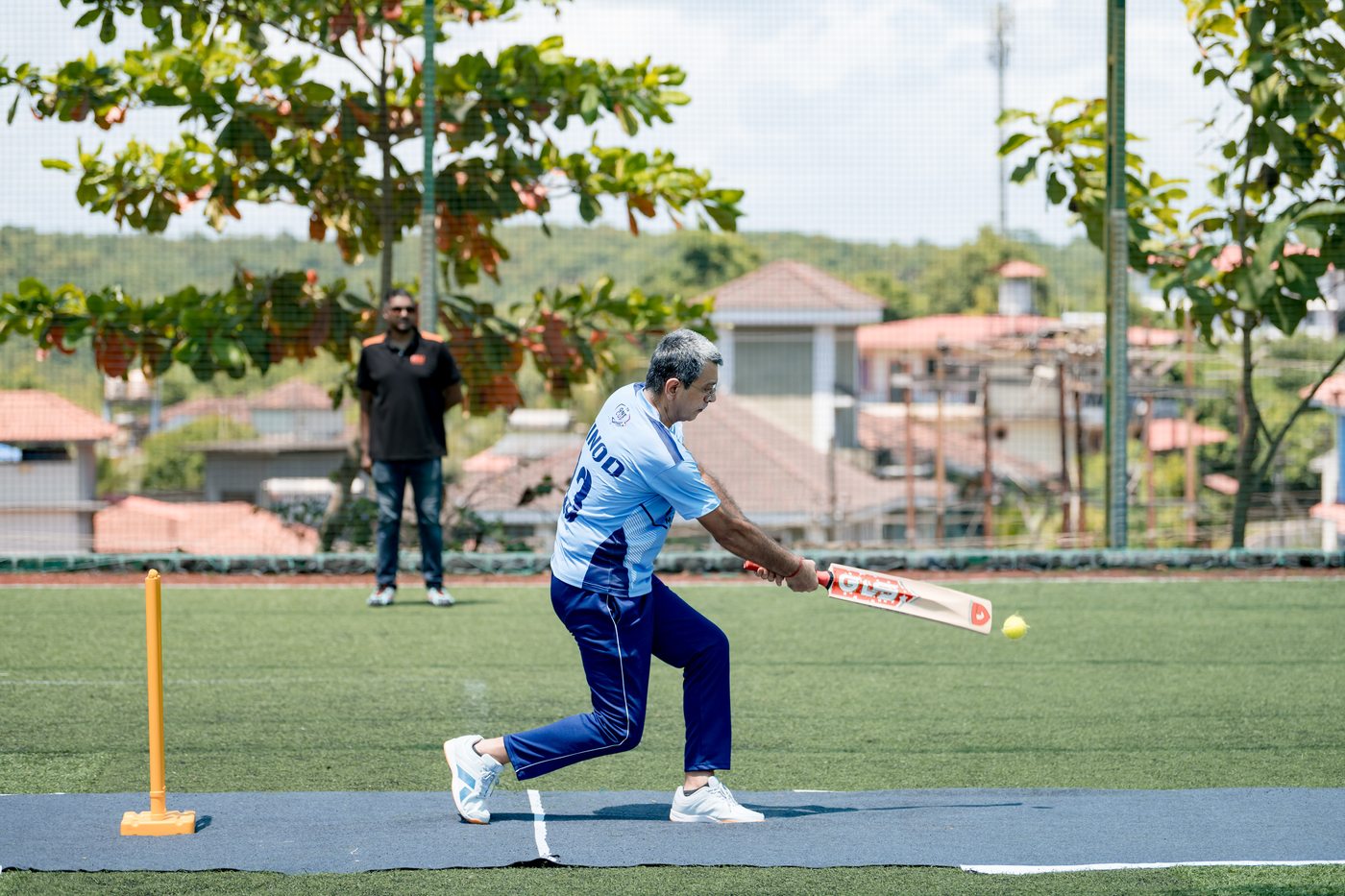
In Cricket, the batting team can declare one over as a "Challenge Over." They nominate a target of 10 or more runs to be scored in that single over. If they hit it — double points. If they miss — zero. No middle ground.
This forces a public commitment to a high-risk call in front of the entire team. The captain must back their own judgement — and own the outcome either way. It is the most revealing single moment of leadership decision-making in the entire tournament. You see, in real time, who is willing to commit and who hedges.
"Pick one over. Declare 10+ runs. Hit it — double points. Miss — zero. The rules are the point, not an obstacle."
Mandatory Substitution Rule
In Football, three substitutions are compulsory — at the 8th, 16th, and 24th minute. These are not optional. You cannot keep your five best players on the pitch for the full 30 minutes.
This rule exists to ensure breadth of participation and to force the captain to manage their squad — not just their starting five. The decision of who comes on and when is a live leadership call made under time pressure with the whole team watching. Every player plays. No one sits out the whole game because they're "not good enough."
"Three compulsory substitutions — at 8, 16, and 24 minutes. Not optional. Everyone plays."
More Rules That Keep It Fair
Cricket Bowling Restriction: no more than 2 bowlers may bowl more than 2 overs each — guaranteeing at least 6 different bowlers get on. · Cricket Retirement Rule: score 30+ runs and you retire. You can return after 4 wickets fall. High performers carry the risk of their own dominance. · Captain Switch Rule: captaincy can change mid-innings. New captain gets 30 seconds to keep or change the plan.
Side by Side
Resort offsite vs.
FORJ sports offsite.
| What you're measuring | Resort Offsite | FORJ Sports Offsite |
|---|---|---|
| Post-event NPS | 30–45 | 78 |
| Memory at 30 days | Fades | Stories that persist |
| Hierarchy dissolved | Rarely | Yes — on the field |
| Women compete as equals | Not guaranteed | Structural — every event |
| Everyone participates | Optional | Mandatory by rule design |
| Measurable outcomes | None | NPS, attrition data, MVP rankings |
| Trust built | Moderate | Deep, under real pressure |
| Repeatable year-on-year | Generic | IP compounds — same teams, new season |
"They didn't ask how many people. They asked what we wanted our team to feel like after. That's the question no one else ever asked."
Veena Bansal
CHRO · M3M Smartworld
Frequently Asked
Corporate offsite —
answered honestly.
What is the best corporate offsite idea in India in 2026?
A structured sport-driven offsite consistently outperforms resort-based formats on every engagement metric FORJ tracks. NPS 78 vs industry average 34. -18% attrition in participating teams at 90 days. 94% rebook intent at 6 months. The format — not the destination — is what determines impact.
How do you ensure women participate equally in a corporate sports offsite?
By design, not by hope. Every FORJ event includes dedicated women's singles events in every racket sport, and all mixed doubles events require a man-and-woman pair. Women compete in their own events and in mixed events — both. In the Teleperformance One Team Cup, the #2 MVP ranking in the entire tournament went to a woman.
What if some people are much better at sport than others?
This is exactly what the rules are designed for. The Pickleball-or-Padel restriction prevents one dominant racket player from winning all the medals. The Cricket Bowling Restriction ensures at least 6 different bowlers get on. The Mandatory Substitution rule in Football ensures every squad member plays. The Cricket Retirement Rule means anyone who scores 30+ runs must retire and give others a chance.
What is the Challenge Over rule in cricket?
The batting team can nominate one over as a 'Challenge Over' — declaring a target of 10 or more runs to score in that single over. Hit the target: double points. Miss it: zero. This forces a public commitment to a high-stakes call from the captain and is the most revealing leadership moment in the tournament.
How much does a corporate offsite in India cost?
For a sport-structured 2-day FORJ offsite for 20–40 people with 4–5 sports, live scoring platform, custom jerseys, medals, and full production management: ₹40,000–₹80,000 per head excluding travel and accommodation. Full itemised proposal within 24 hours.
Plan Your Offsite