The Insight
Sport shows you
who people really are.
In a boardroom, people perform the version of themselves they want others to see. Decisions are considered. Language is careful. Everyone is on their best behaviour.
On a sports field, under genuine competitive pressure, none of that is available. How someone responds when their team is losing, when they make an error, when they need to trust someone outside their usual hierarchy — that's data. Real data.
FORJ designs structured sport programmes that create those moments deliberately — and captures what they reveal.
What It Reveals
Risk Appetite
The Challenge Over rule forces a public commitment to a high-risk call. Who declares? Who hedges? These are real decisions, not hypotheticals.
Composure Under Pressure
When the team needs 15 runs off the last 2 overs, how does the captain communicate? How do teammates respond? The field strips the meeting-room mask.
Trust Across Hierarchy
A CFO has to trust a junior executive's call at the boundary. A COO has to back a 28-year-old captain mid-match. These cross-hierarchy trust moments don't happen at dinner.
Inclusion vs. Performance Bias
Who raises their hand to play? Who encourages others? Who defaults to 'let the sporty ones do it?' The data surfaces patterns HR can act on.
Resilience
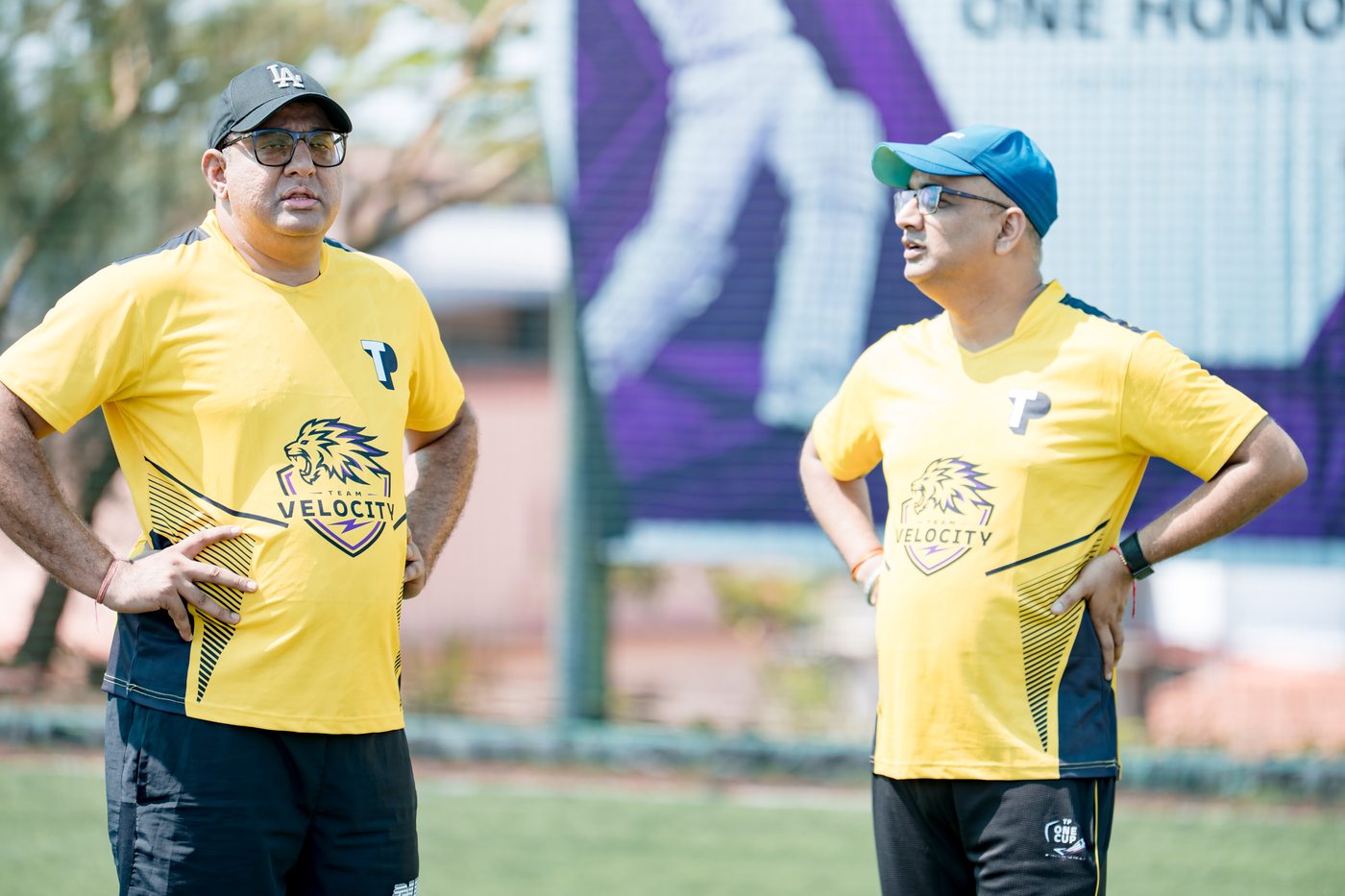
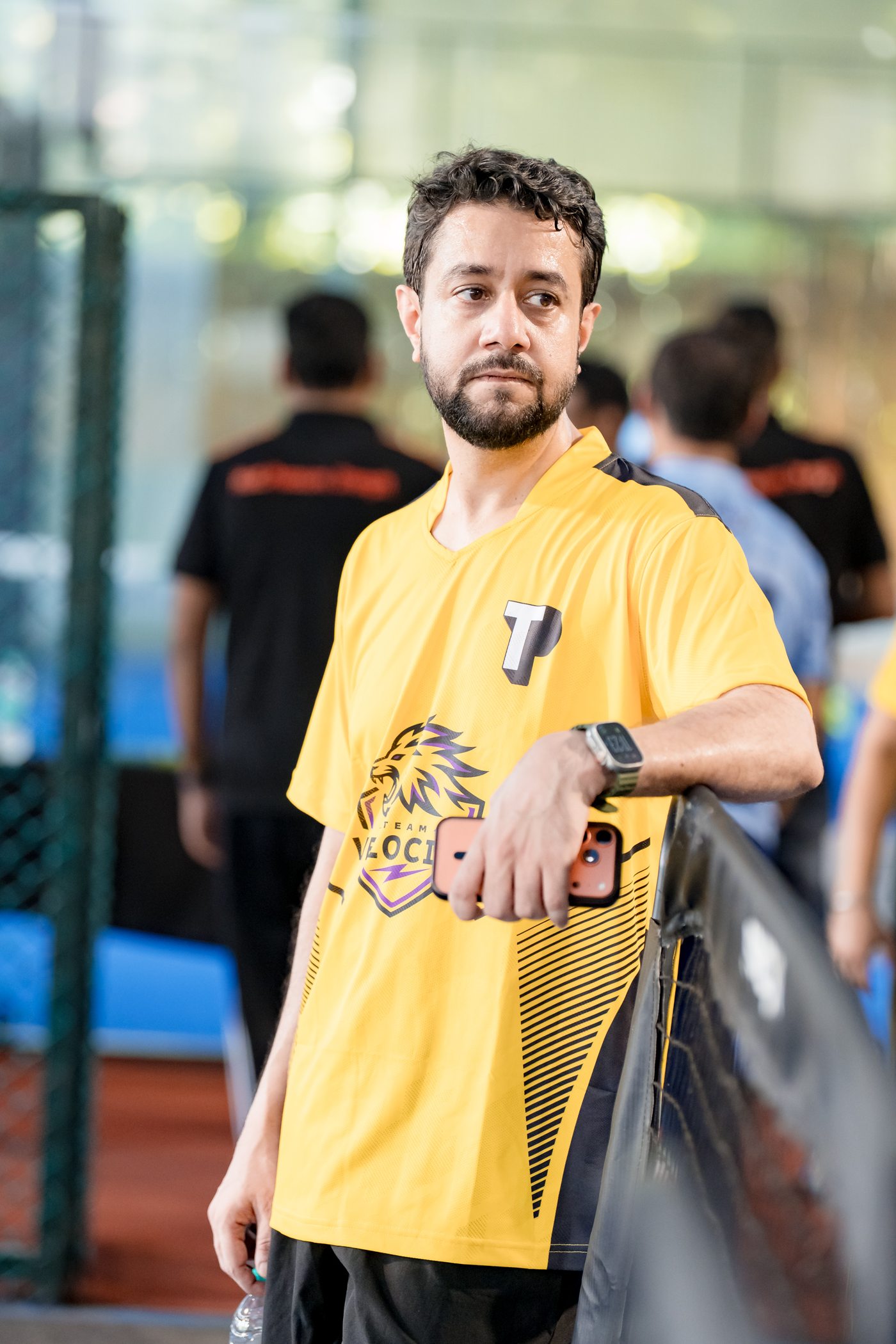
When Velocity lost cricket by 59 runs, three of their players still came back for football and won 5–0. How people respond to losing — not just winning — is the sharpest signal.
Formats
Three ways FORJ runs
leadership sports engagement.
The Leadership Offsite
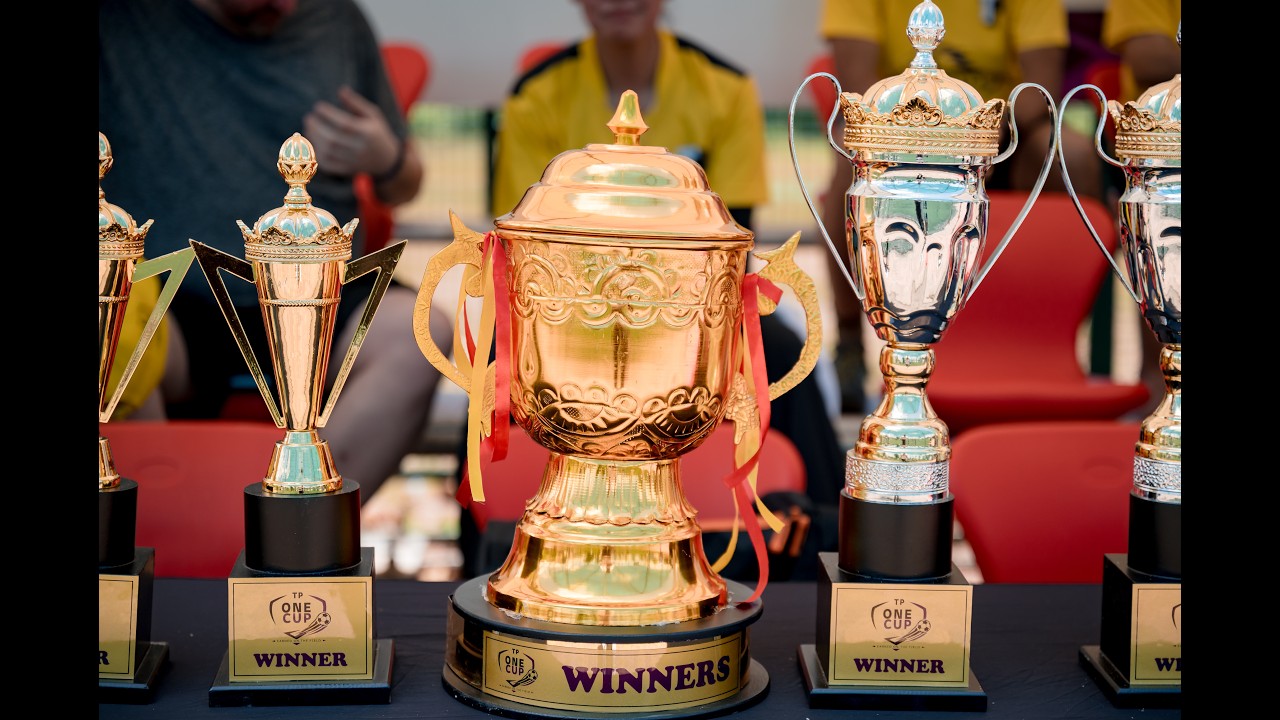
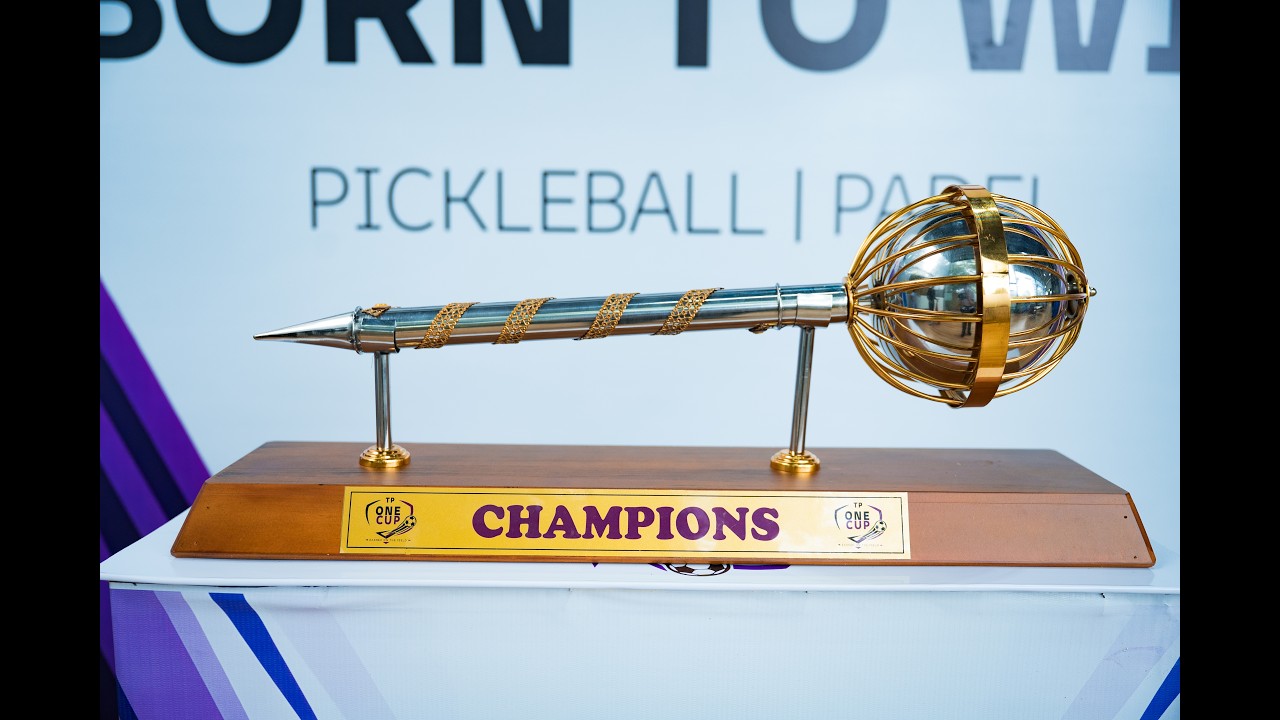
The full format. A structured 2-day multi-sport tournament for a senior leadership cohort at a destination (Goa, Lonavala, Coorg). Live scoring, custom jerseys, research-backed rules, and a finals ceremony that generates stories that last. The Teleperformance One Team Cup is the proof of concept.
See Case Study →The Annual Sports League
A multi-sport league running across 4–8 weeks with regular match days, city-wide leaderboards, and a grand finale event. The format that creates year-round engagement and a sports culture in the organisation. FORJ has built these for M3M Smartworld (1,100+ employees, 867 players, 58 matches) and others.
See League Format →The Leadership Sports Day
A single-day structured multi-sport tournament for a department leadership team or cross-functional cohort. 3–4 sports, one tournament format, one leaderboard. Designed for companies that want the leadership engagement without the 2-day residential commitment.
See Format →"They didn't ask how many people. They asked what we wanted our team to feel like after. That's the question no one else ever asked."
Veena Bansal
CHRO · M3M Smartworld
FAQ
Leadership sports
engagement — answered.
What is a leadership sports engagement programme?
A structured sports programme designed specifically for senior leadership groups — CXOs, HODs, or high-potential cohorts — in which competitive sport is used to build trust, dissolve hierarchy, and reveal leadership behaviour under real pressure. Unlike team-building activities, a leadership sports engagement programme has genuine stakes, real competition, and behavioural data as an output.
How is it different from a regular corporate sports day?
A regular sports day is broad, with high participation numbers and a mix of fitness and fun activities. A leadership sports engagement programme is deliberately small (20–60 people), deliberately competitive, and designed around specific leadership development goals. The rules, team composition, sport selection, and prize structure are all designed with the leadership objective in mind — not just the enjoyment objective.
What makes FORJ's approach different from other leadership retreats?
FORJ uses sport rather than workshops, simulations, or facilitated discussions. The key insight is that sport is the only environment where leaders cannot perform a version of themselves — the pressure and stakes make the performance unavailable. The behaviours that emerge under competitive pressure are the real behaviours. That's the data. FORJ's leadership programmes are built on 4 peer-reviewed research frameworks: Swift Trust Theory, Wiltermuth & Heath's Synchrony research, Carron's Team Cohesion Model, and Shared Adversity research.
Can this be combined with a regular leadership workshop or L&D programme?
Yes — and this is increasingly how FORJ's clients use the format. The sport programme runs on Day 1 and Day 2 morning. A structured debrief or facilitated reflection session runs on Day 2 afternoon using the data from the tournament. The sport creates the shared experience; the debrief extracts the learning. FORJ can provide the tournament data to an L&D team for facilitation.
Design Your Programme